UFC Welcome Bonuses in the UK: Terms and Conditions
 Available in US

The thing that catches new UK UFC punters out about welcome bonuses is never the headline number. It is always the clause buried in paragraph 14 of the terms – the one that says the free bet expires in seven days, or that the wagering requirement is 5x the bonus value, or that the bet must settle within 30 minutes of placement. I have read more T&Cs than is healthy over eight years in this market, and the headline-versus-fine-print gap has widened since the 2025 levy bedded in. The mechanism by which that has happened sits in the gambling levy and bonuses guide; this piece is the plain-English audit of what the post-levy welcome offers actually mean.
The 1.1 percent statutory levy on online gambling yield, in force since October 2025, did not change headline bonus values much. It did change everything else. The qualifying odds, the wagering requirements, the expiry windows, the eligible markets – all of these tightened in ways that make the comparison shopping that worked in 2024 no longer reliable in 2026.
Check out the latest sign-up offers in the UK on the homepage.
The Anatomy of a UK Welcome Bonus
Every UKGC-licensed welcome bonus has the same architecture. A new customer registers, deposits, and places a qualifying bet. The qualifying bet must meet specified criteria – minimum stake, minimum odds, eligible markets, settlement timeframe. Once those criteria are met, the operator credits a bonus reward, usually in the form of free bets, sometimes as bonus funds with wagering requirements attached.
The qualifying bet has to lose, settle, or be cashed out depending on the offer – some bonuses release the free bet on settlement of the qualifying stake regardless of outcome, others only on a losing qualifying bet, others only on a winning one. Read the trigger condition before placing the qualifying bet because the wrong outcome can void the bonus entirely.
For UFC bettors, the qualifying-bet stage is where most offers break down. A typical UFC main card has the favourites priced at 1.30 to 1.80 – meaning many books’ post-levy minimum-odds threshold of 1.85 or 2.00 blocks the most obvious qualifying bet. Hunting for a qualifying bet on the underdog or on a prop market adds risk and friction that pre-levy offers did not require.
Qualifying Bet Versus Bonus Funds
The qualifying bet is your real money. You stake £10, you can lose £10. The bonus funds are something different – typically free-bet tokens or bonus credit that comes with usage restrictions. Understanding the distinction is critical because the two have completely different risk profiles.
Free bet tokens settle on a stake-not-returned basis. If you place a £30 free bet at decimal 2.00 and the bet wins, you receive £30 in winnings – the £30 stake from the token does not return to your account. Compare to a £30 real-money bet at the same odds, which would return £60 total (the £30 stake plus £30 winnings). The free bet is worth roughly half as much as the equivalent real-money stake in expected-value terms.
Bonus funds with wagering requirements are different again. A 3x wagering requirement on £30 bonus funds means you must place £90 in qualifying wagers before the bonus and any winnings can be withdrawn. Bonus funds typically have to be used within a tight window – 7 to 14 days at most UK operators in 2026 – and the wagering must usually be on minimum odds of 1.50 or higher to count toward the requirement.
For a UFC bettor specifically, the bonus funds route is harder to clear than the free-bet route. The 3x wagering on £30 means £90 of bets, and on a UFC card with only a handful of main bouts to play, you might not generate that volume in a single fight week. Tracking the wagering progress through to completion is the discipline that separates punters who actually convert bonus funds from punters who watch them expire.
Minimum Odds and the UFC Favourite Problem
The minimum odds threshold is the single biggest post-levy change. Across the UK market in early 2026, the average minimum-odds requirement on qualifying bets sits at decimal 1.85 – up from 1.55 in mid-2025. Some operators have gone further, requiring 2.00 or higher.
For UFC betting, this is a structural problem. Heavy favourites in numbered events frequently price between 1.20 and 1.60. Most champion-versus-challenger bouts have the champion in the 1.30 to 1.50 range. A minimum-odds threshold of 1.85 blocks the entire obvious qualifying bet on those cards.
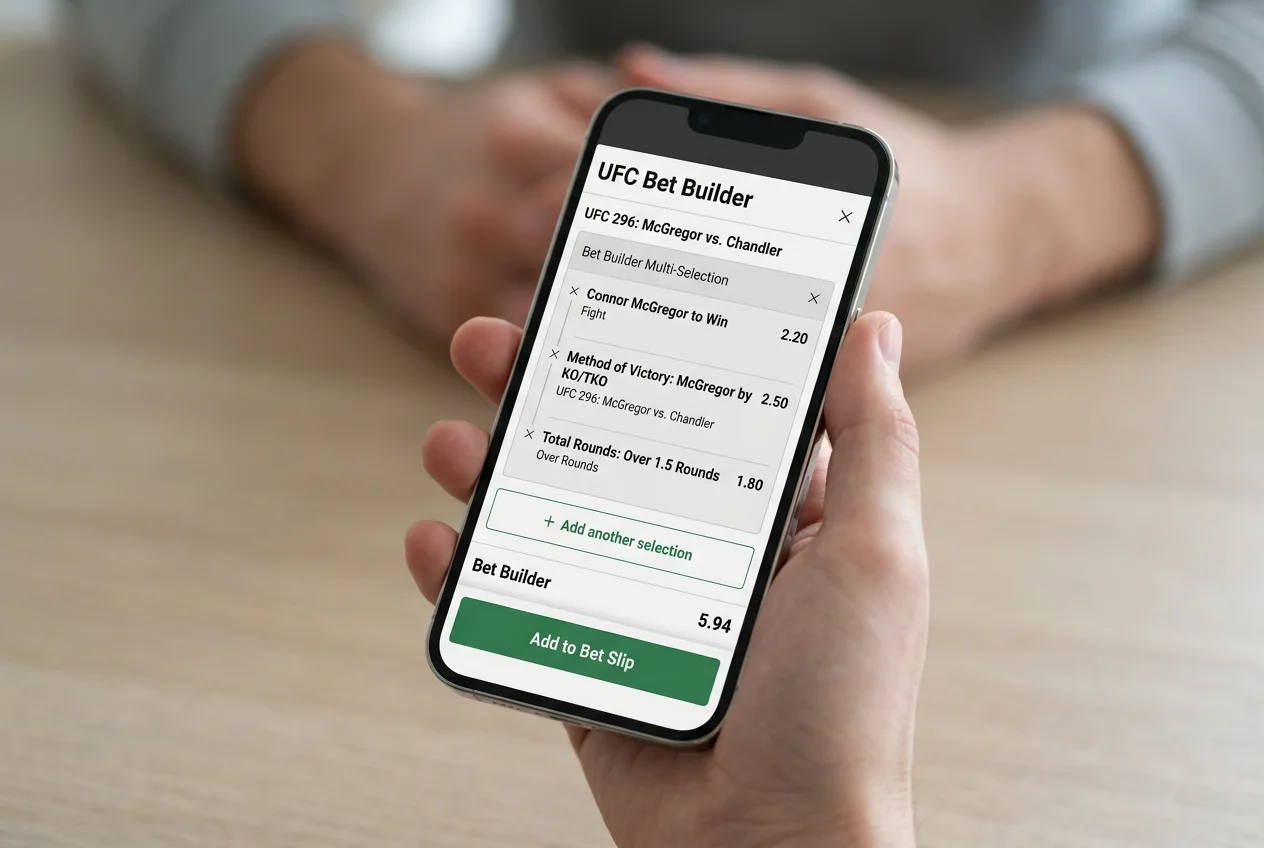
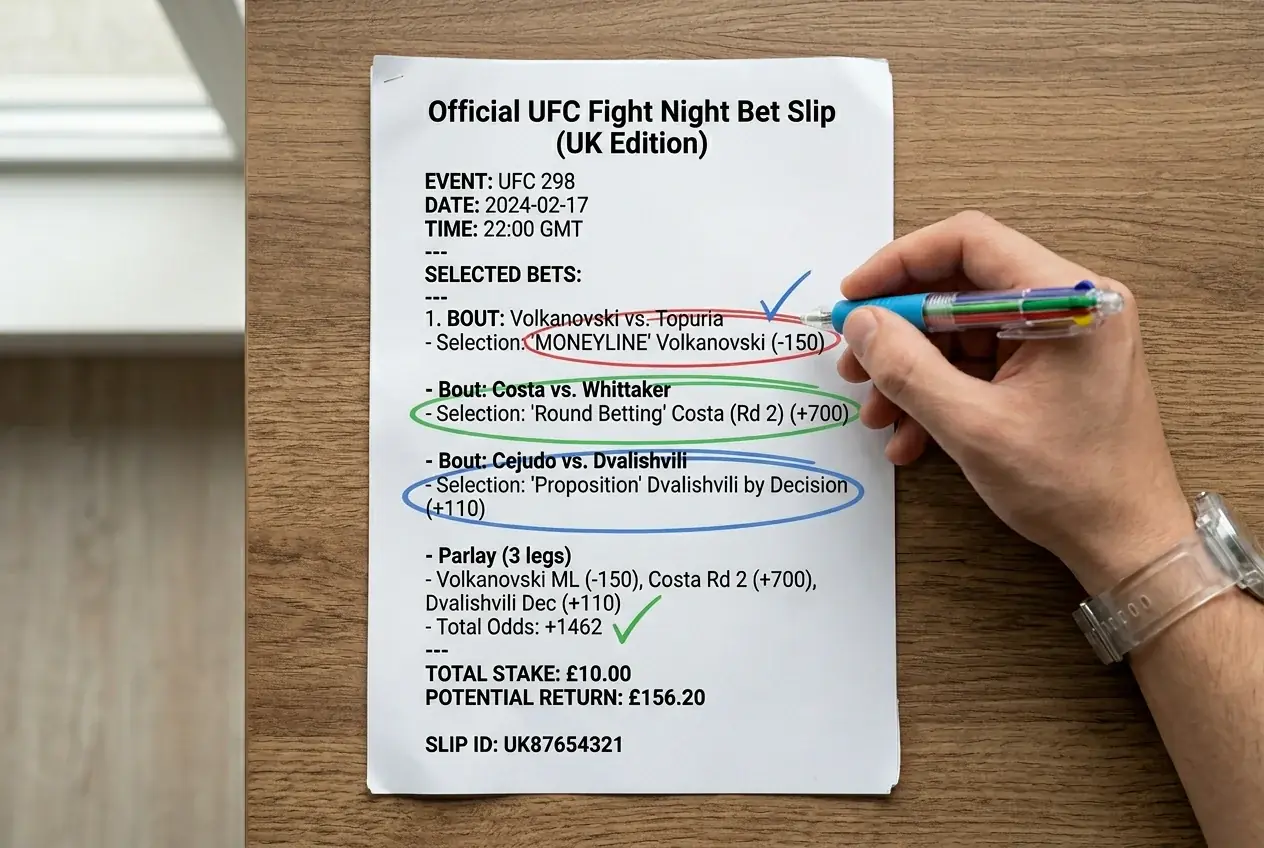
Three workarounds. First, qualifying on the underdog side, which means staking on an outcome you may not believe will hit. Second, qualifying on a prop or method-of-victory bet that prices above the threshold – favourite-by-decision often sits at 2.40 to 3.00, which clears the bar. Third, qualifying on a small-stake parlay where the combined odds reach the threshold even though each leg is shorter. Each workaround has trade-offs, and the operator’s intent is to make the qualifying step less convenient than it was before the rule change.
Expiry Windows and the Fight Calendar
UFC bettors used to get 30 days to use a free bet. In 2026, the average across the UK market is closer to 15 days, with some operators issuing free bets that expire in 7 days.
The fight calendar matters here. UFC numbered events typically happen once a month, and Fight Nights are weekly during the main season. A 7-day free-bet window often catches only one card. If the card is a low-profile Fight Night with no obvious value bet, the free bet expires unused.
The workaround is timing the welcome offer to land near a high-profile card. Register, deposit, and place the qualifying bet in the week before a numbered event you plan to bet anyway. The free bet credits in time to be deployed on the main event, where the markets are deepest and the prop-bet options are widest. Operators are alert to this pattern and sometimes restrict the offer to “new customers from [date]” specifically to avoid being gamed by punters who time around the calendar.
The other timing consideration is the Fight Night versus numbered-event tradeoff. A free bet that expires inside a week can only be used on whatever card happens during that window. Fight Nights are usually held on Saturday evenings UK time, sometimes with main events that finish around four or five in the morning local. Numbered events are typically late on a Saturday with the main bouts crossing into Sunday morning UK time. Plan the qualifying bet so the free bet is live for the highest-value card in the expiry window – getting that timing wrong is the most common reason free bets expire unused.
Red Flags in the Small Print
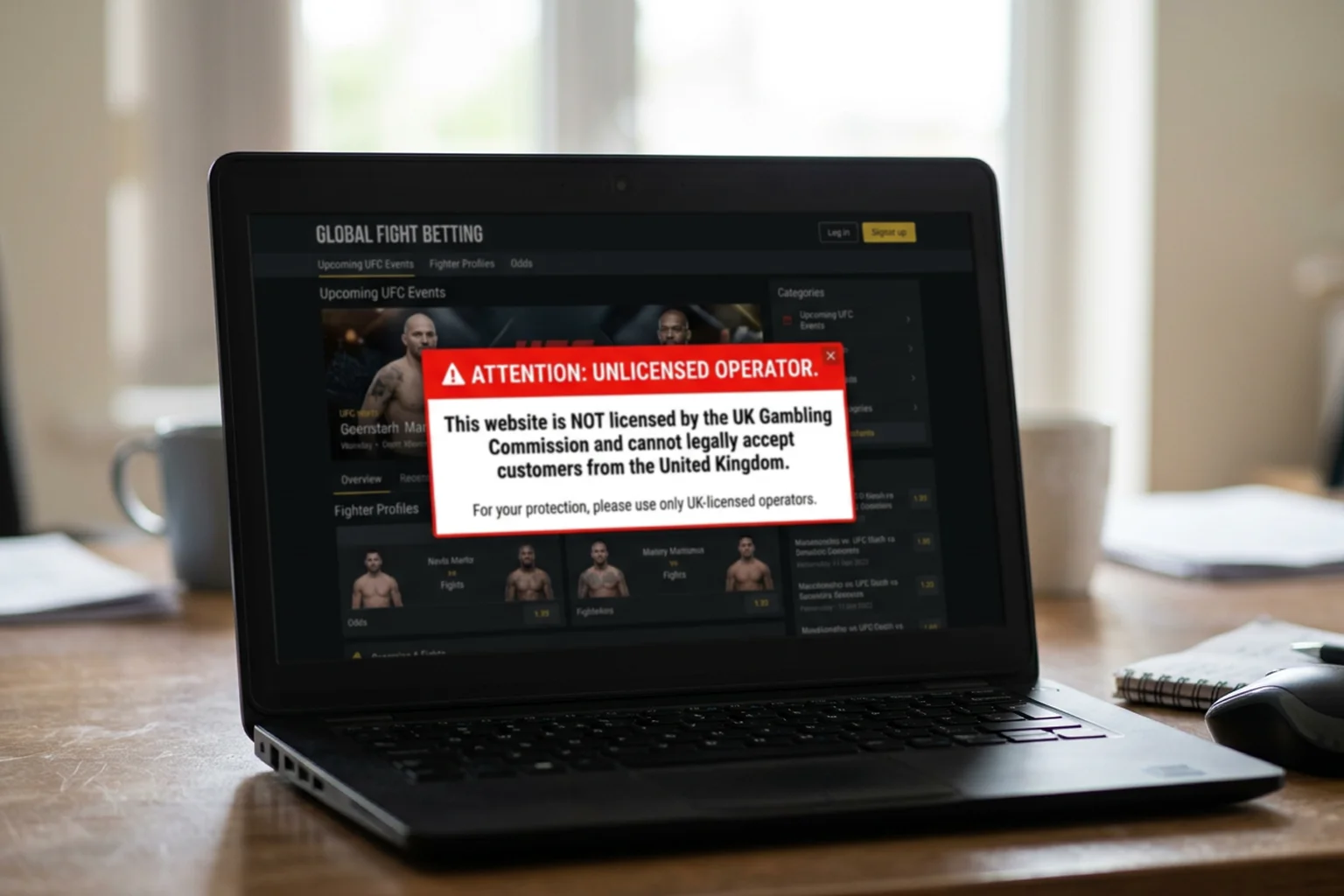
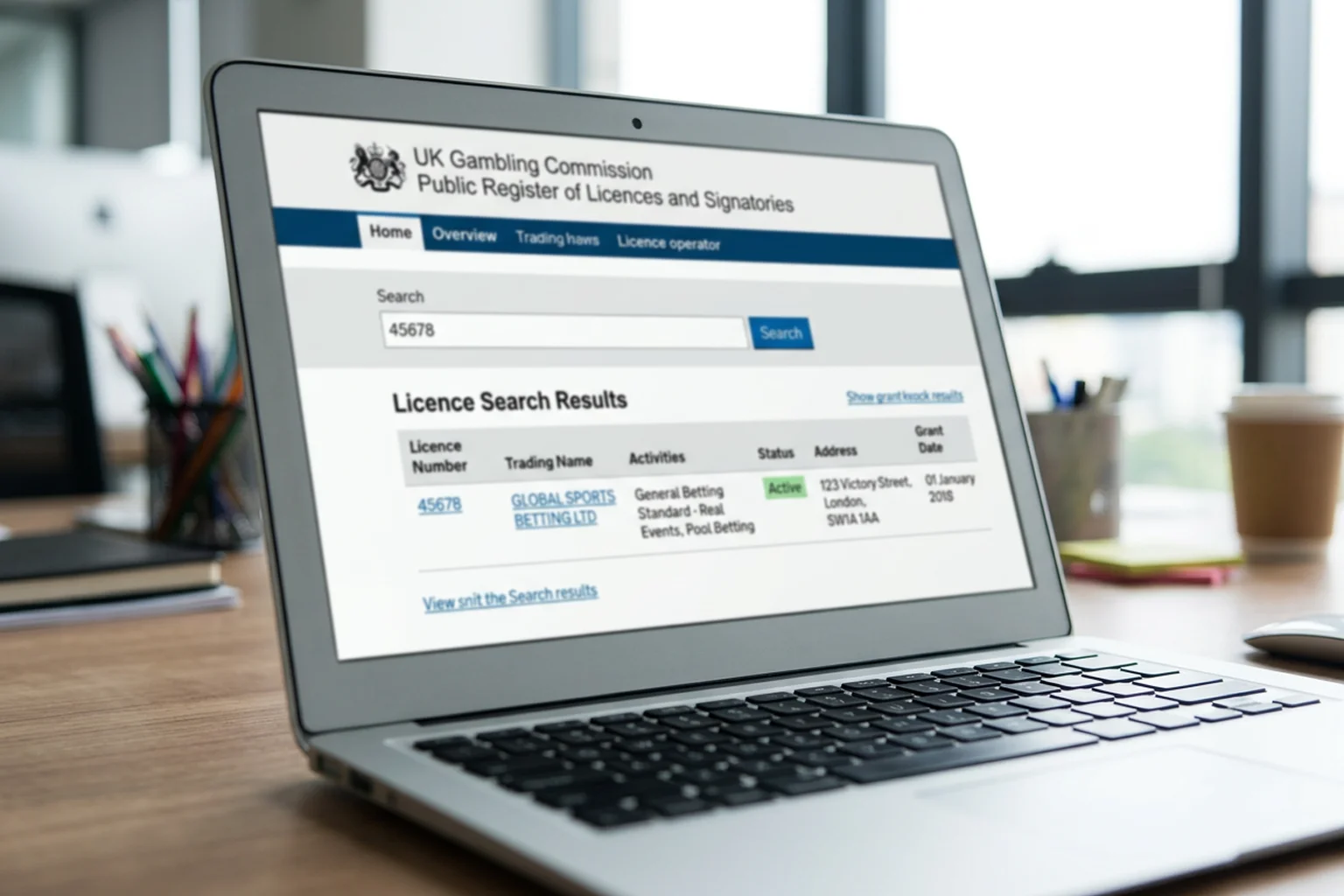
Five clauses I always check before placing the qualifying bet. First, the “single bets only” restriction – some offers void the qualifying bet if it is part of a multi-bet. Second, the “cash out voids the bonus” rule – cashing out the qualifying bet, even profitably, sometimes cancels the bonus trigger. Third, the “minimum odds apply per leg” rule on accumulators, which can be impossible to satisfy if any leg is shorter than the threshold. Fourth, the maximum-stake clause on free-bet usage, which can cap the bonus’s expected value below the headline number. Fifth, the country-of-residence verification clause, which can block the bonus if the operator’s KYC check identifies a mismatch with your registered address.
Evaluate how modern taxes alter these promotional campaigns by studying the 1.1% statutory gambling levy impact.
The single most consequential clause is the wagering-requirement application. Some operators apply wagering to bonus funds only. Others apply it to bonus funds plus any winnings generated from the bonus, which can compound the requirement dramatically. A 3x wagering requirement on £30 in bonus funds is £90. The same 3x requirement applied to bonus-plus-winnings can easily reach £300 or more if you have a profitable run before fully clearing the requirement. The detail is rarely visible in the marketing copy.
Why do most UFC welcome bets require minimum odds of 1.50 or higher?
Operators set the minimum to prevent low-risk qualifying bets that would clear the offer with minimal real stake at risk. A qualifying bet at decimal 1.05 on a heavy favourite has almost no real loss potential, so operators set a floor that forces a meaningful stake. The 2026 average across the UK market is 1.85, with some operators at 2.00 or higher, reflecting tighter post-levy bonus economics.
Can I withdraw a welcome bonus before the wagering requirement is met?
No. Bonus funds are locked until the wagering requirement is satisfied in full. The lock applies to the bonus credit and, at many operators, to any winnings derived from the bonus. Attempting to withdraw before the wagering is complete typically forfeits the bonus and any associated winnings. Free bet tokens are different – winnings from a settled free bet usually become withdrawable real money immediately, with only the stake portion non-returnable.
Created by the ”Where can i bet on ufc” editorial team.