UFC Betting Apps UK: Features and Performance
 Available in US
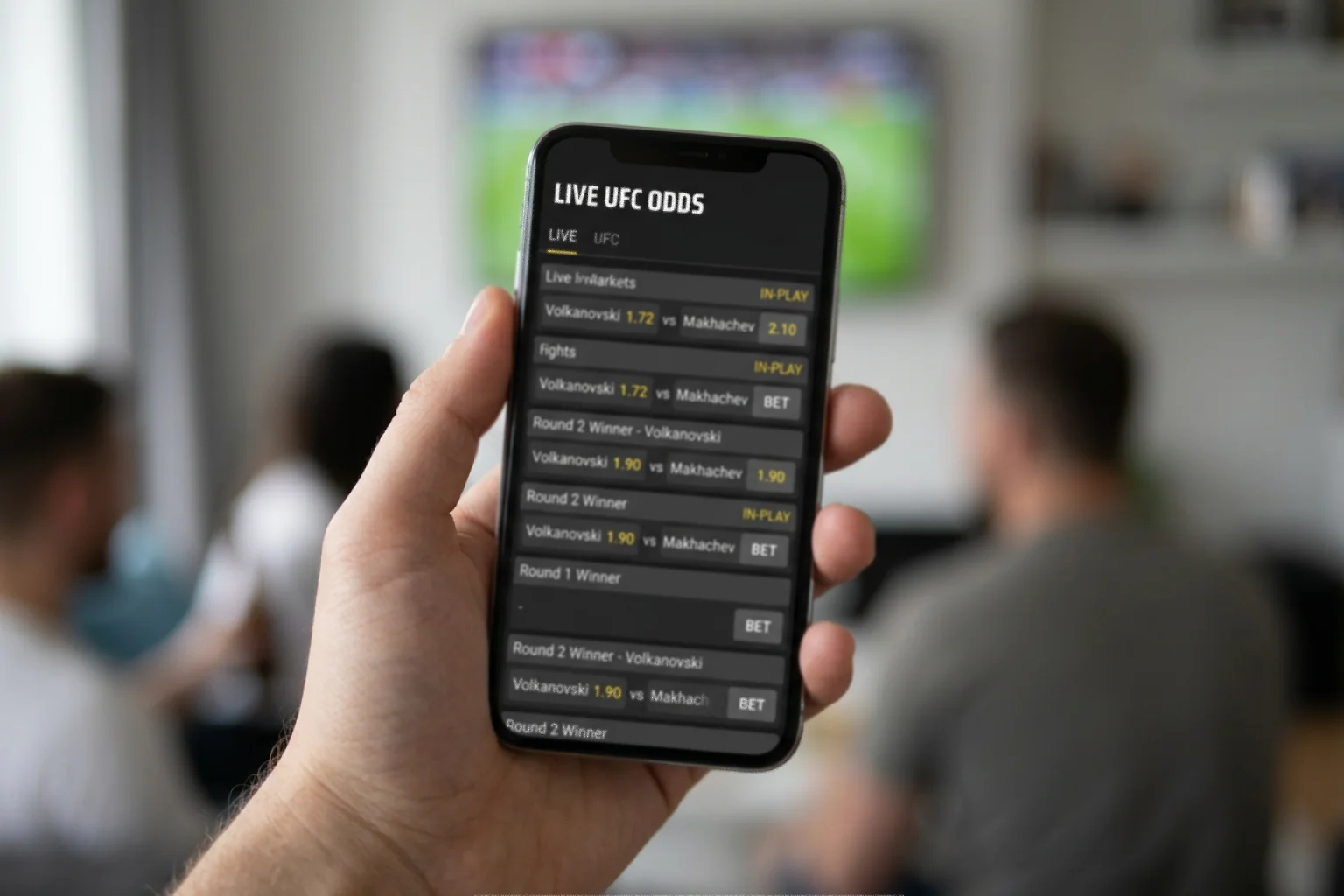
I switched from desktop to mobile for UFC betting in 2019 and have not gone back. The reasons were practical at the time – most UFC main cards in UK time start late at night, and the kitchen counter is a better place to follow a four-hour event than the home office. Six years later I have used roughly fifteen different UK UFC betting apps in earnest and can tell you the gap between the best and the worst is dramatic. Most punters never feel that gap because they stick to one app from sign-up, but the punters who switch frequently know that an app’s quality is the single biggest determinant of whether the in-play experience helps or hinders your betting.
Mobile is where UFC betting actually happens in the UK in 2026. The desktop site is the formal product. The app is where the live in-play decisions get made, where notifications keep you in the loop on lineup changes, and where the cash out button gets pressed during the championship rounds.
Track late-breaking line moves from your phone with the homepage.
Mobile Share of UK Betting
Roughly 95 percent of online gambling activity in the UK happens from home, and in the 18-to-24 age bracket, 76 percent of those bets are placed on mobile devices. The shift is structural – the under-30 UK gambling audience never adopted desktop betting in significant numbers, and the over-30 audience increasingly uses mobile too because the app experience is genuinely better than a browser-based desktop site for live betting on a UFC card.
For UFC specifically, mobile dominance is more pronounced than for football or racing. The fight schedule favours mobile use – UFC events typically run from 9pm UK time to 3am or later, which is the time of day when most punters are away from a desk. The app keeps the markets accessible without committing the bettor to sitting at a computer.
The other structural reason is in-play volatility. UFC markets move faster than football markets because the sport produces decisive moments more frequently – a knockdown, a submission attempt, a cut can flip a price in seconds. Mobile apps are better at pushing live odds updates and accepting bets quickly than browser-based desktop interfaces, which carry latency from the browser overhead.
Native App Versus Mobile Browser
UK sportsbooks offer both native apps and mobile-optimised browser sites. The native app is downloaded from the App Store or Google Play. The mobile browser site loads in Safari or Chrome and presents a touch-friendly version of the desktop interface.
The native app is faster for in-play UFC betting. The reasons are technical – native apps run on the device’s operating system rather than inside a browser sandbox, which means odds updates arrive faster, bet acceptance is quicker, and the interface responds without browser overhead. The difference is measurable: native apps typically accept bets 200 to 500 milliseconds faster than the same operator’s mobile browser site, which matters when the price is moving rapidly between rounds.
The mobile browser site has the advantage of not requiring installation. Punters who do not want a betting app on their phone for privacy or family reasons can still place bets through the browser without leaving an app icon on the home screen. The trade-off is the speed disadvantage and, at some operators, a feature gap – some bet builder constructions and exotic markets are only available in the native app.
Apple’s App Store and Google’s Play Store both restrict gambling apps to certain markets. UKGC-licensed apps are available on both stores in the UK, but punters who travel abroad sometimes find their app unavailable in the foreign store. The mobile browser site is the workaround.
Features That Actually Matter on Fight Night
Three features separate competent UFC betting apps from frustrating ones. First, the speed of the in-play odds feed. A good app updates the live moneyline within one to two seconds of an in-cage event. A slow app might take five to fifteen seconds, by which point sharp bettors have already moved the price elsewhere and your stake gets matched at a worse number.
Second, the speed of bet acceptance. Once you have selected a market and entered a stake, the app should confirm bet placement within a second or two. Slow apps that show a “processing” wheel for five or ten seconds risk having the price change before acceptance, at which point the operator either rejects the bet or asks the bettor to accept the new price.
Third, the in-play interface design. The bet slip should be accessible without leaving the live odds view. Cash out should be one tap away. The current bet state – what stakes are live on which markets – should be visible at a glance. Operators that have invested in mobile-first design produce noticeably better fight-night experiences than operators who have ported a desktop layout into a mobile shell.
What does not matter as much as bettors assume: graphical sophistication, animation, and visual polish. The functional features are the ones that move money. A plain interface with fast updates beats a glossy interface with five-second lag every time.
Permissions, Notifications, and Biometrics
Push notifications are the single most useful app feature for UFC bettors who want to be alerted to line moves and fight news. Configurable notification settings let you receive alerts when specific markets reach certain price thresholds, when your live bets approach settlement, and when fights on your watchlist begin.
The trade-off is notification fatigue. Apps that send too many marketing-driven push notifications get muted quickly, which means the genuinely useful alerts get muted alongside the promotional ones. Operators that keep marketing notifications separate from operational notifications produce better engagement long-term.
Biometric login via Face ID or fingerprint is now standard across UK UFC betting apps. The benefit is convenience – no need to type a password to access the app during the prelim card. The concern is shared-device usage: if your phone is on the family kitchen counter and recognises multiple faces, biometric login can produce unwanted account access. Operators address this by requiring re-authentication for withdrawals and major account changes regardless of biometric status.
Location permissions are not strictly required for UKGC-licensed apps because the operator verifies UK residency through KYC rather than real-time location. Some operators ask for location anyway, usually to comply with their own internal anti-fraud requirements rather than regulatory ones.
Responsible Gambling Tools Inside the App
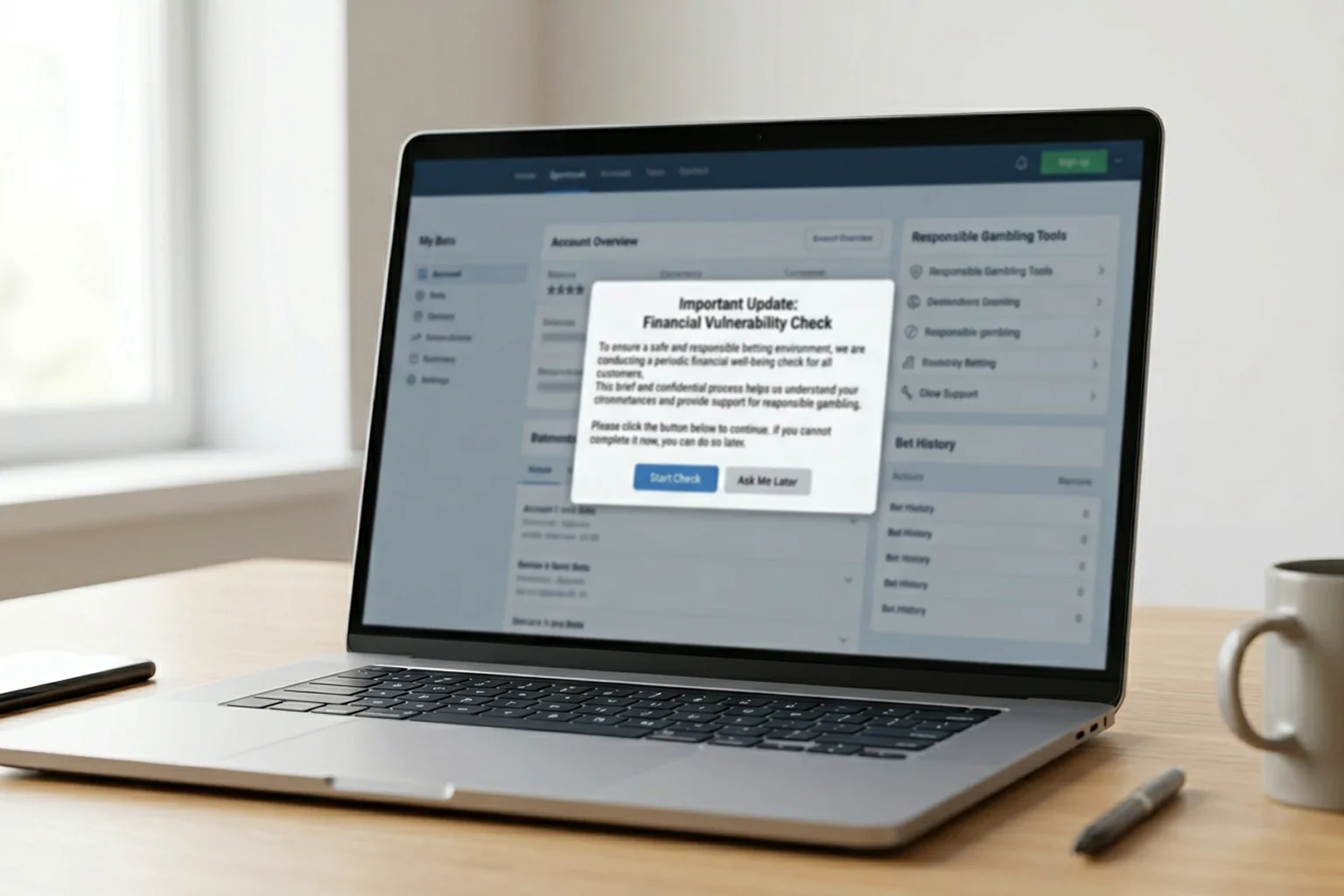
Every UKGC-licensed betting app must offer a set of responsible gambling tools. Deposit limits, loss limits, session-time reminders, and self-exclusion are the standard four. The app implementation varies in how easy they are to find and configure.
Ensure smooth bankroll processing using our guide to fast UK payment and withdrawal methods.
The best apps put the responsible gambling tools in the main navigation, one tap from the home screen. The worst bury them in a settings menu three or four taps deep. The Gambling Commission has signalled that operator app design will face scrutiny for whether the tools are genuinely accessible, and the trend across the UK market in 2026 is toward more prominent placement of these features.
For UFC bettors specifically, the session reminder is the most useful tool. UFC main cards run long, late, and have multiple emotionally-charged bouts in sequence. A reminder that pings at the two-hour mark or after a specified loss threshold can prevent tilt-driven betting decisions in the championship rounds. The detailed walkthrough of all responsible gambling tools available across UK UFC books sits in the responsible gambling tools guide.
Is the bookmaker’s app or website faster for live UFC betting?
The native app is faster in almost all cases. Native apps run directly on the device operating system and typically accept bets 200 to 500 milliseconds faster than the same operator’s mobile browser site. For live UFC betting where prices move rapidly between rounds, that speed difference can matter for whether your stake gets matched at the displayed price or rejected for a price change.
Do UK UFC betting apps offer biometric login by default?
Yes, on most UKGC-licensed apps. Face ID and fingerprint authentication have been standard across UK UFC betting apps for several years and are offered as an opt-in feature during account setup. Biometric login covers the standard app access flow but not withdrawals or major account changes, which typically require additional verification regardless of biometric status.
Prepared by the Where can i bet on ufc editorial staff.